
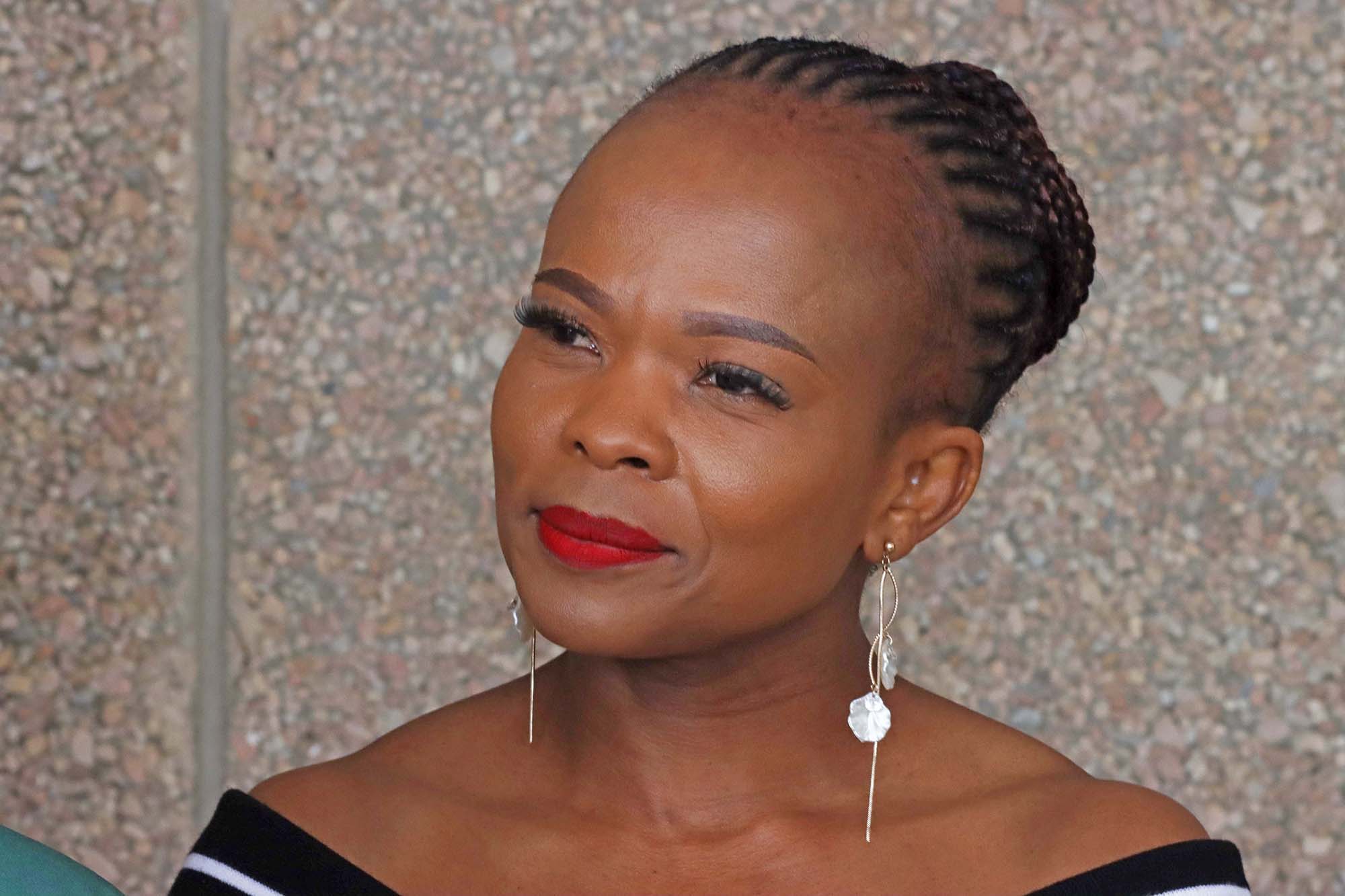
As a newspaper, we hold no brief for the Director of Public Prosecutions (DPP), Hlalefang Mary Motinyane. In fact, we have often critiqued some of her office’s decisions — particularly its cavalier approach to bail recommendations, which has too often seen suspected murderers and rapists get bail on unreasonably lenient terms.
However, we strongly condemn the decision to suspend her from office.
That decision, taken by Prime Minister Sam Matekane this week, is not only unconstitutional but also sets a dangerous precedent for executive interference in institutions meant to be independent under our constitutional framework.
The office of the Director of Public Prosecutions is constitutionally insulated from political control for a reason: to ensure the impartial administration of justice, free from fear or favour. It is this very independence that allows the DPP to pursue powerful figures — including, as in the case of Ms Motinyane, a former sitting Prime Minister (Thomas Thabane) — without intimidation or reprisal.
To allow a Prime Minister to suspend the DPP, in breach of both the Constitution and the rule of law, is to take a sledgehammer to the pillars of accountability and justice in this country.
Ms Motinyane’s track record, while not immune from criticism, has been marked by a rare and commendable resolve to pursue justice, even in politically sensitive cases. Her willingness to charge high-profile figures — including those once seen as untouchable — is testament to the independence the Constitution demands of her office.
The fact that she is now being hounded out of office whilst still actively prosecuting some of these cases is not only problematic, it is dangerous. The crude manner of her suspension, including forcibly locking her out of her office and cancelling her security detail not only smacks of vindictiveness, it is wholly disgraceful.
The Prime Minister’s decision, which is devoid of any legal basis, reeks of executive overreach. It threatens not just the office of the DPP, but every other independent institution in this country. If allowed to stand, it will chill the work of prosecutors, judges, and watchdogs — sending a message that constitutional protection is no shield against political interference.
We are encouraged by the swift and firm response from the Law Society of Lesotho, which had given the Prime Minister seven days to withdraw the illegal suspension or face court action. This is how a democracy must respond to constitutional violations — not with silence or complicity, but with principled resistance.
To save himself from likely judicial embarrassment, the Prime Minister must immediately reverse his ill-advised decision. To persist would be to plunge the country into a constitutional crisis and to undermine public trust in both the executive and the justice system.
The Constitution is not a suggestion. It is the supreme law of the land. No one — not even the Prime Minister — is above it.
Under Section 141 of the Constitution, the DPP may be removed only for inability to perform or misbehaviour, and even then only by the King acting on a tribunal’s recommendation.
There is no provision for the Prime Minister to suspend the DPP unilaterally—doing so is legally null and void.
This insulation is essential to prevent political interference in prosecutorial discretion.
As the Constitutional Court held in Tlokotsi v DPP (2022), the DPP’s prosecutorial independence is sacrosanct. Interference, even indirect, by committees or state organs undermines the doctrine of prosecutorial independence. The court declared the DPP must operate “without fear, favour or prejudice,” and must not be subject to “direction or control of any person or authority” except where expressly permitted by law.
That ruling followed earlier jurisprudence in Mosito v DPP (2016), where the Court of Appeal emphasized: “The DPP, though appointed by the Prime Minister, is not his subordinate… Her functions are autonomous and are to be exercised without external influence.”
The PM’s recent action clearly violates both the text and spirit of these rulings. If left unchallenged, this sets a precedent that undermines the rule of law, weakens prosecutorial independence, and exposes every constitutionally protected office to the threat of executive interference.
The Constitution must be upheld, not only when convenient, but especially when power tempts those in office to sidestep it.
International jurisprudence reinforces this principle. South Africa’s Constitutional Court invalidated executive interference in the National Director of Public Prosecutions in Corruption Watch v President (2018), affirming prosecutorial independence and striking down executive overreach. It held that a prosecutor must not only act without bias, but must be perceived to act without it:
As Chief Justice Sakoane Sakoane has himself explained: “The Constitution wants a Director of Public Prosecutions who is independent… free from fear, favour or prejudice… not subservient to Government”.
That independence is not a luxury; it is a constitutional imperative.
The Law Society of Lesotho’s ultimatum—seven days to rescind the suspension or face court action—is not just legally justified; it is morally necessary. To remain silent is to acquiesce in the erosion of constitutional safeguards. In light of the government’s decision to spurn the Law Society (see lead story) the latter must now go to court forthwith.
Prime Minister Matekane cannot claim even a shred of legal basis for his actions. If he was deeply concerned about misconduct or performance, the constitution provides a clear mechanism: refer the matter to a tribunal, let it investigate, and then, if merited, the King may suspend at its advice. Failure to follow this process is not oversight—it’s deliberate overreach. Of course, some may argue in the Prime Minister’s defence that he had started the process of establishing an impeachment tribunal which has since been thwarted by Advocate Motinyane’s legal challenges against it. Still, the best route for the Prime Minister is to let this legal process play itself out rather than make a rushed and illegal decision to suspend the DPP. After all, that’s why we have the courts. The Prime Minister should be the first protector and defender of the courts and their right to adjudicate cases to finality.
The implications of allowing this suspension to stand are far-reaching. It sends a signal to all independent officers—judges, auditors, commissioners—that their constitutional insulation can be dismantled by executive fiat. That is how democracies slide backwards.
We urge Prime Minister Matekane: revoke this suspension immediately. Submit any legitimate concerns to the constitutional tribunal after all the current legal challenges against it by the DPP have been resolved. Respect the rule of law. Uphold your oath to the Constitution. Anything less undermines the very pillars of democracy in Lesotho.
The integrity of our justice system hinges not only on actual impartiality, but on the appearance thereof—a perception now severely tarnished following Attorney General Rapelang Motsieloa’s own admission that Deputy Prime Minister Nthomeng Majara had “suggested” to the DPP that she withdraws treason charges against their coalition government’s political allies.
The rule of law is not optional. It is the bedrock of this democracy.

Too good to be true