
Leemisa Thuseho
THE Federation of Lesotho Rugby (FLR) has outlined its strategic vision to transition the country’s rugby from an amateur to a professional sport.
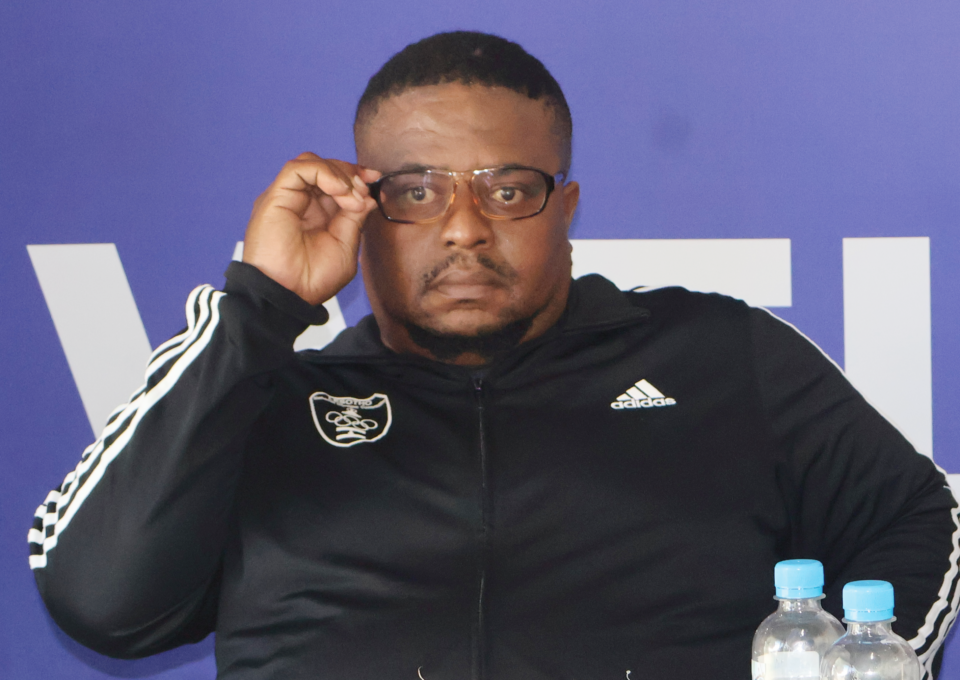
FLR president, Fetang Selialia, shared the vision during the Econet Rugby League finals held over the weekend at Mabote Police Ground in Maseru.
The finals saw Lesotho Rugby Academy crowned champions after edging LDF side Liqhomane 25–22 in a closely contested final. The victory marked the academy’s first-ever league title and earned them M10 000 in prize money.
Selialia said the emergence of a new champion was a clear indication that the standard of competition in the country is steadily improving.
“The competition is growing in our league, and every team is showing massive growth,” Selialia said.
“For example, last year the winners were Mabote Beavers, but this year they did not make it to the final. Liqhomane, on the other hand, were also finalists last year, but this time they lost to Rugby Academy, who reached the final for the first time.”
Despite the progress, Selialia said significant work still needs to be done to elevate the sport from amateur to a professional level, while also strengthening development structures for the future.
“There is still a lot that needs to be done. However, one encouraging sign is that we now receive calls from schools asking us to come and introduce the sport,” he said.
Another positive indicator of growth is the export of local players to South Africa, he said. One notable example is Mabote Beavers’ former star player, Sekhohola Phate, who joined the Free State Cheetahs in 2024.
“South Africa is way ahead of us in rugby, so it is a huge achievement to see our players getting opportunities to play even at provincial level in that country.”
Selialia also said after attaining World Rugby Full Membership status in late 2024, Lesotho is now counted among the fast-growing rugby nations.
As part of efforts to improve the standard of the sport, the federation has appointed Ronald Doyle from Ladybrand, South Africa, as technical advisor until 2028.
Doyle is expected to play a key role in strengthening coaching and development programmes. He is a former head of sport at Ladybrand High School and previously coached the Eastern Free State Schools Under-16 team, as well as the Griffons Platteland rugby teams, among others.
“We have recently appointed Mr Doyle as our technical advisor. Part of his role is to help improve our structures and also assist us in identifying and attracting rugby players of Lesotho origin who are currently playing in South Africa. This will help us build stronger national teams.”
“We have a vision. We want to compete on a bigger international stage, like Zimbabwe, who have now qualified for the World Cup.”
Selialia called on the corporate sector to invest in rugby, saying reliance on government support alone would not be sufficient to realise the federation’s ambitions.
“We want to see rugby being played across the country, not only in urban areas. We are still at an amateur or development level and we want to graduate to professional status, which requires more investment and resources. It is high time the government of Lesotho also considers rugby as a priority sport,” Selialia said.
