
‘Makananelo Manamolela
THE Senate has called for an increase in HIV response programmes targeting young women, identified as the most vulnerable group to new infections.
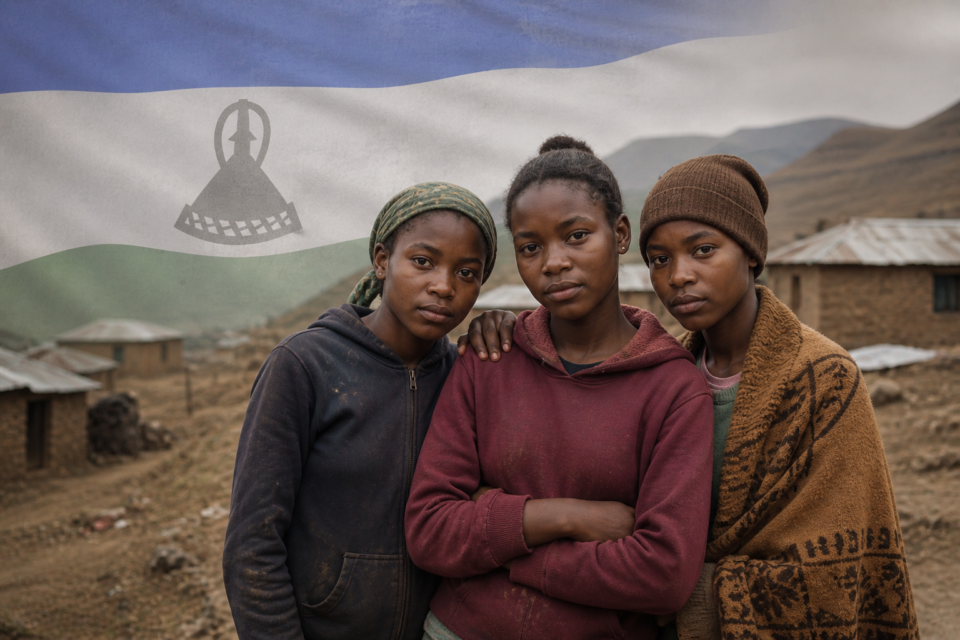
This follows the presentation of a troubling report before the Senate, which revealed that many families – particularly in rural areas – are headed by girls aged between 12 and 18. These girls are often forced into transactional sex to survive.
The report, tabled on Tuesday by the Chairperson of the Senate Health, Nutrition and Gender Committee, ‘Makholu Moshoeshoe, highlighted a sharp rise in adolescent HIV infections and deaths despite ongoing interventions by government and development partners.
It showed that deaths among adolescents linked to new HIV infections had risen to 4300, up from 3500 recorded before 2014.
Ms Moshoeshoe said the findings stemmed from engagements held with the SADC Parliamentary Forum (SADC PF) last year, where ministries and stakeholders outlined both progress and persistent challenges in addressing adolescent sexual and reproductive health (SRH).
She told the House that the Ministry of Education had introduced several initiatives, including comprehensive sexuality education, life skills programmes and school-based HIV units to improve awareness and support for young people.
“With these programmes, we intended to address sexual and reproductive health rights and the impact of HIV among adolescents and youth,” she said.
However, data presented during the dialogue indicated that infections among adolescents continued to rise, contributing to the surge in deaths.
Ms Moshoeshoe added that the Ministry of Education had also established a Pregnancy Learner Welfare and Care Unit to support the physical and mental wellbeing of learners. The government had further partnered with international organisations such as UNESCO and UNICEF for financial and medical support.
“Despite these efforts, challenges remain, including limited resources, weak community engagement and gaps in policy implementation, particularly in the Lesotho School Health and Nutrition Policy 2023 and the Prevention and Management of Learners’ Pregnancy Policy 2024,” she noted.
The Ministry of Health, she said, had raised concerns over increasing teenage pregnancies among girls aged 12 to 18, with those between 15 and 18 most affected. Many pregnancies are concealed, often resulting in unsafe abortions.
“Some girls survive these procedures, while others die, contributing to high maternal mortality among young people,” Ms Moshoeshoe said, adding that post-abortion complications remained a major burden on the health system.
She further revealed that child marriages continued to worsen the situation, with some parents forcing pregnant girls into marriage. In certain cases, families demand compensation—either cash or livestock—from the men responsible, sometimes involving relatives.
“This pressure often drives victims to seek illegal abortions,” she said.
According to the report, all districts are affected by teenage pregnancies and child marriages, with Thaba-Tseka recording the highest rate of forced and arranged child marriages at 22 percent, followed by Qacha’s Nek at 17.3 percent.
Ms Moshoeshoe said the committee plans to engage traditional leaders in the affected districts, alongside health and education experts, to intensify advocacy efforts.
The report also found that adolescent girls were disproportionately affected by HIV compared to boys, largely due to relationships with older men and transactional sex driven by poverty.
Limited access to contraceptives—especially in remote areas—and fear of stigma at health facilities were also cited as barriers preventing young people from seeking services. Gender-based violence, including sexual abuse and rape, further compounds the crisis.
Ms Moshoeshoe said the Ministry of Health had partnered with the World Health Organisation to strengthen interventions, including improving adolescent-friendly services in hospitals, rolling out HPV vaccinations in schools and expanding access to family planning through youth corners in health facilities.
“They have also enhanced HIV testing and counselling services, and in some cases provide emergency contraception without requiring parental consent,” she said, noting early signs of progress.
The committee has recommended increased funding for SRH programmes, expanded access to family planning services without parental consent and stronger partnerships with civil society to enhance public education.
It also called for improved privacy in healthcare services for adolescents and intensified efforts to combat gender-based violence.
Meanwhile, the National AIDS Commission (NAC) said socio-economic factors continued to fuel risky behaviour among young people.
NAC Youth Health Awareness and Advocacy Officer, Nthabeleng Ntšekalle, said many rural households were child-headed due to the absence or death of parents, leaving young girls particularly vulnerable.
“In many cases, girls take on caregiving roles and are forced into relationships with older men who provide financial support, often in exchange for sex,” she said.
She added that some girls engage in multiple sexual partnerships as a survival strategy, increasing their risk of HIV infection.
Through its youth programmes, the commission is working to empower young people with knowledge and skills to protect themselves and make informed decisions.
“We are engaging communities to change mindsets and help young people find safer ways to cope with their circumstances,” Ms Ntšekalle said.
