
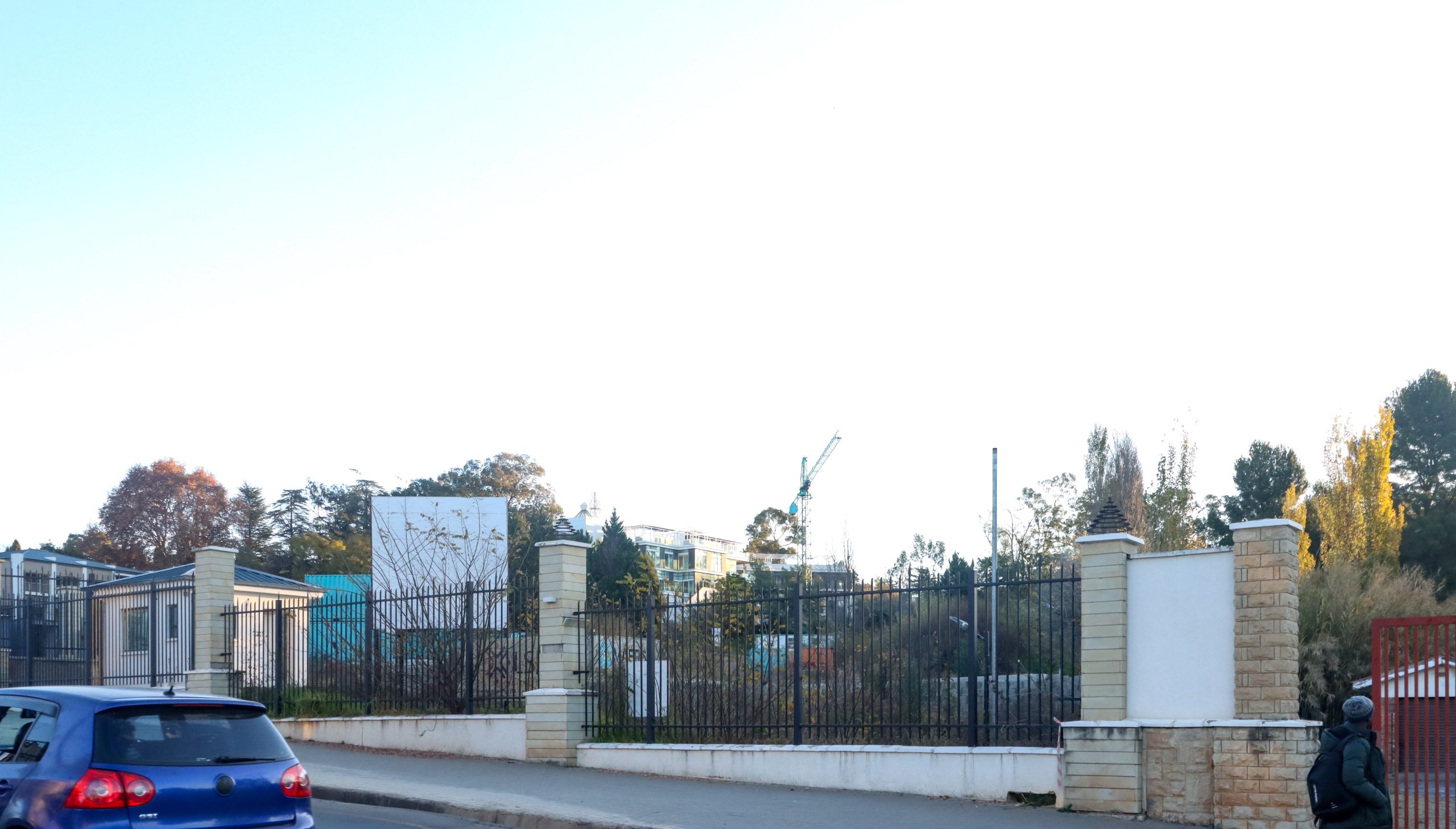
THE protracted construction of the new Royal Palace in Maseru has become one of Lesotho’s most embarrassing examples of the government inefficiency, poor project management and the reckless handling of public funds.
What was supposed to be a prestigious national project, providing an official residence for Their Majesties King Letsie III and Queen ’Masenate Mohato Seeiso, has instead turned into a monument to administrative failure.
After more than 15 years, successive governments have failed to deliver a building that was initially expected to take just 18 months to complete.
Construction began in 2011, with completion scheduled for May 2013. Yet, here we are in November 2026, still discussing when the Royal Palace will finally be completed. This is simply unacceptable.
The latest revelations that the government has earmarked another M50 million to resume construction should be welcomed, but they must also be treated with considerable caution. The additional allocation brings the projected cost of the project to M461 million, a staggering increase from its original M136.7 million price tag. In other words, a project that was supposed to cost taxpayers just over M136 million is now threatening to consume almost half a billion maloti.
That is an extraordinary price to pay for a building that remains unfinished.
We cannot continue throwing money at this project without demanding answers about how it reached this sorry state. The Auditor-General’s May 2025 audit report, subsequently scrutinised by the Senate Committee on Government Assurances (CGA), exposed serious financial and administrative shortcomings. Among other things, the audit uncovered overpayments exceeding M74 million to consultants and the contractor.
Even more disturbing were findings that payments were made without adequate contractual justification or evidence of work completed. The ministry also acknowledged that it had no official documentation confirming or authorising the appointment of Nyolohelo Mohale as Clerk of Works/Principal Agent, despite payments amounting to M5.49 million having been made to him.
These are not minor administrative oversights. They point to a deeply troubling failure of accountability in the management of a major public infrastructure project.
The government must therefore ensure that the resumption of construction does not become another opportunity for financial abuse. The M50 million must be properly accounted for, procurement procedures must be transparent, and every contractor and consultant must be held to clearly defined contractual obligations.
However, accountability must not become an excuse for further delays. There is a danger that, in our understandable determination to establish what went wrong, we may once again lose sight of the urgent need to finish what should have been completed years ago.
Their Majesties need a proper official residence. More importantly, the country needs this embarrassing chapter brought to a close.
It is particularly unfortunate that the Royal Family has been left waiting for so long for a facility that successive administrations have repeatedly promised to deliver. The palace is intended to serve as the official residence of the King and Queen, and its completion should be treated as a matter of national importance. The monarchy is an important institution in Lesotho’s constitutional and cultural life. Providing a suitable official residence is therefore not an unreasonable demand.
But the argument for completing the palace must never be confused with a licence for extravagant spending or the protection of those who may have mismanaged public funds. The institution deserves respect, while public money deserves protection. Both principles must be upheld.
The government should now demonstrate the political will and administrative competence that have been conspicuously absent from this project. The Ministry of Public Works and Transport says it has developed a procurement strategy to guide the resumption of construction and prevent a recurrence of past irregularities. That is encouraging, but strategies and assurances are not enough. Basotho have heard promises before.
What is required is a firm implementation timetable, an independently monitored construction programme and regular public updates on progress and expenditure. Parliament, particularly the CGA, must continue exercising its oversight responsibilities to ensure that the project does not descend into another cycle of contract disputes, design changes and unexplained payments.
The government must also resist the temptation to keep changing the specifications every time a new administration or official takes charge. The report indicates that the ministry has approached the Royal Family to clarify their expectations and the specifications of the building. This engagement is necessary, but it must be concluded promptly. Once the requirements have been agreed upon, there should be no more unnecessary redesigns or additions that inflate the bill and delay completion.
The suggestion by Hope-Mphatlalatsane leader ’Machabana Lemphane-Letsie that government consider involving the United Nations Development Programme (UNDP) is also worth examining. Her proposal follows a parliamentary delegation’s visit to Sierra Leone, where it studied the country’s approach to development financing with UNDP support.
While there may be merit in exploring alternative expertise and financing arrangements, the government must be careful not to create another layer of bureaucracy that further postpones the project. The priority should be to establish the most efficient and accountable route to completion. Whether through existing government structures or additional technical assistance, the objective must remain the same: finish the palace.
Equally important is the recovery of funds irregularly paid out. The CGA has recommended that the ministry recover the M5.49 million paid to Mr Mohale in the absence of a valid contractual arrangement. It has also called for the recovery of other overpayments identified by the Auditor-General. These recommendations must not simply gather dust in parliamentary reports. Those responsible for irregular payments must be held accountable, and every recoverable maloti must be pursued.
It would be an insult to taxpayers if the government simply moved on, injected another M50 million and ignored the financial trail left behind by the previous phases of the project.
The Matekane administration must understand that it has inherited a troubled project, but it also has an opportunity to bring it to a successful conclusion. It cannot afford to become another government that leaves the Royal Palace unfinished for its successor.
Basotho have endured enough delays, cost escalations and explanations. The country cannot afford another decade of uncertainty over a project that has already swallowed hundreds of millions of maloti.
The M50 million allocation must therefore mark a genuine turning point, not the beginning of another expensive false start. The government must get the contractors back on site, enforce strict financial controls and ensure that the work is completed to the agreed specifications and within a realistic timeframe. Their Majesties’ house must be completed as a matter of urgency.

SADC snub: Cooler heads must prevail