
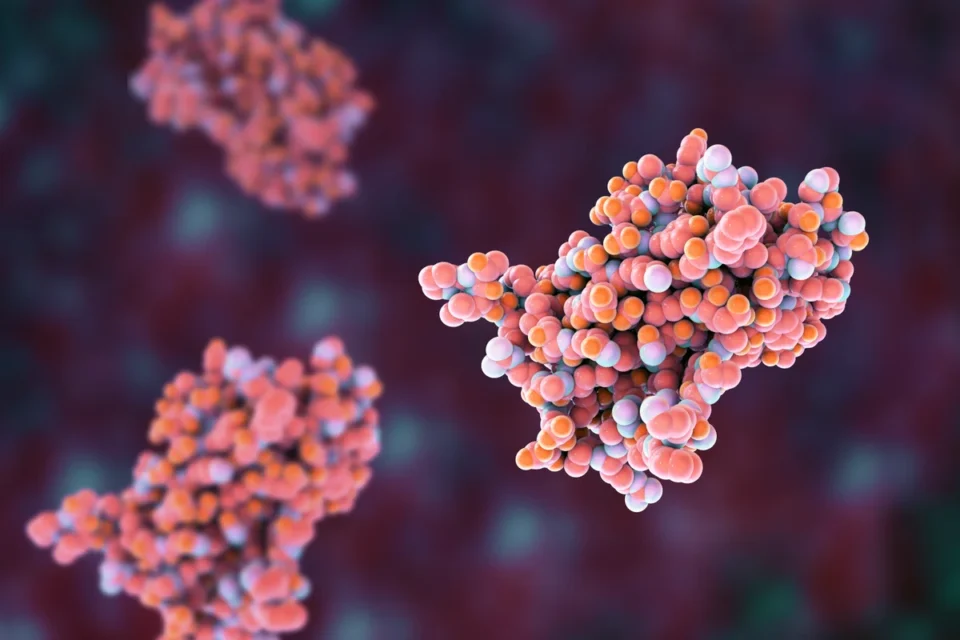
Fragment 176–191 is a short peptide sequence derived from the C-terminal region of growth hormone. Over the past decades, this fragment has attracted sustained scientific interest because its properties appear to diverge from the classical growth-related roles attributed to the parent hormone. Rather than being framed solely as a byproduct of proteolytic processing, Fragment 176–191 has been hypothesized as a bioactive signaling element with a distinct metabolic orientation.
Research literature suggests that this peptide may interact with lipid-associated pathways, intracellular signaling networks, and energy-regulatory systems in ways that are separable from growth-promoting mechanisms. This article explores the molecular origins of Fragment 176–191, its theorized biochemical characteristics, and its possible relevance across research domains such as metabolism, cellular signaling, endocrine regulation, and experimental peptide design. Emphasis is placed on speculative interpretation grounded in established biochemical knowledge.
Introduction
Growth hormone has long occupied a central position in endocrine and metabolic research, largely due to its complex influence on growth, development, and energy balance within the organism. Over time, attention has increasingly shifted toward specific peptide fragments derived from larger hormones, as these fragments may encode specialized signaling roles. Fragment 176–191 represents one such segment, comprising amino acids 176 through 191 of the growth hormone sequence. Scientific discourse has proposed that this region may harbor a signaling identity distinct from the intact hormone, potentially allowing it to engage molecular targets with greater selectivity.
Molecular Origin and Structural Considerations
Fragment 176–191 originates from the C-terminal domain of growth hormone, a region that has been hypothesized to contain motifs relevant to metabolic signaling. The peptide consists of a relatively short amino acid sequence, which is believed to influence its folding dynamics, receptor interactions, and intracellular stability. Unlike the full-length hormone, which adopts a well-characterized four-helix bundle structure, Fragment 176–191 is theorized to exist in a more flexible conformation.
Research indicates that this structural flexibility might allow the peptide to interact transiently with cellular membranes or signaling proteins. Investigations purport that short peptides derived from larger hormones may often showcase altered binding affinities and signaling biases, particularly when they lack domains responsible for receptor dimerization. In this context, Fragment 176–191 has been theorized to engage signaling cascades without fully activating canonical growth hormone receptor pathways.
Hypothesized Signaling Properties
A central theme in the scientific discussion surrounding Fragment 176–191 concerns its potential role in lipid metabolism. Research indicates that this fragment may influence pathways involved in lipid mobilization and storage at the cellular level. Rather than acting through classical growth hormone receptors alone, the peptide is thought to interact with downstream mediators associated with cyclic nucleotide signaling, kinase activation, or transcriptional modulation.
It has been hypothesized that Fragment 176–191 may bias signaling toward catabolic lipid processes, possibly by modulating enzymes involved in lipid turnover. These interactions are not framed as isolated actions but as part of a broader signaling environment where the peptide may fine-tune metabolic responses within the organism.
Distinction from Full-Length Growth Hormone
One of the most compelling aspects of Fragment 176–191 lies in its theorized functional divergence from intact growth hormone. While growth hormone is widely associated with anabolic growth processes, the fragment has been discussed as a signaling entity that may preferentially engage metabolic regulation without robustly activating growth pathways.
Research literature suggests that the absence of receptor-binding domains responsible for growth-promoting actions may limit the fragment’s involvement in proliferative signaling. Instead, Fragment 176–191 might act through partial receptor engagement or alternative binding partners, thereby shaping a narrower signaling output.
Implications for Metabolic Research
Fragment 176–191 has been positioned as a valuable molecular probe in metabolic research. Its hypothesized potential to support lipid-associated pathways makes it relevant for investigations into energy balance, substrate utilization, and cellular fuel partitioning. Research indicates that lipid metabolism is regulated by a complex interplay of hormonal signals, transcription factors, and enzymatic networks. Within this framework, Fragment 176–191 seems to act as a signaling modifier, subtly shifting metabolic priorities rather than enforcing dramatic changes. This nuanced impact aligns with contemporary views of metabolic regulation as a dynamic and context-dependent system.
Cellular and Molecular Research Implications
Beyond metabolism, Fragment 176–191 has been hypothesized to hold relevance in broader cellular signaling research. Short peptides are increasingly recognized as modulators of intracellular communication, with the potential of influencing kinase cascades, transcriptional regulators, and mitochondrial dynamics.
Research suggests that Fragment 176–191 may interact with intracellular signaling nodes associated with energy sensing. These interactions might involve pathways linked to AMP-activated protein kinase, peroxisome proliferator-activated receptors, or other metabolic regulators, although the precise mechanisms remain an area of ongoing inquiry.
Endocrine Crosstalk and Systems-Level Perspectives
Fragment 176–191 also invites discussion from a systems biology perspective. Endocrine signaling within the organism is characterized by extensive crosstalk between hormones, peptides, and local mediators. Within this network, small fragments derived from major hormones may act as fine-tuning agents rather than primary signals.
It has been theorized that Fragment 176–191 may participate in such crosstalk by modulating the responsiveness of metabolic tissues to other hormonal cues. This modulatory role may involve altering receptor sensitivity, supporting intracellular signaling thresholds, or shaping transcriptional responses over time.
Peptide Engineering and Conceptual Extensions
The scientific interest in Fragment 176–191 has also intersected with advances in peptide engineering. Short peptides with defined sequences offer opportunities for structural modification, stability optimization, and signaling bias exploration. Investigations purport that Fragment 176–191 may serve as a conceptual template for understanding how minimal sequences may encode biologically meaningful information in mammalian DNA.
Research indicates that modifying peptide length, charge distribution, or secondary structure may alter signaling interactions. In this light, Fragment 176–191 has been discussed as a starting point for designing analogs that probe specific metabolic pathways within research contexts.
Conclusion
Fragment 176–191 occupies a unique conceptual space at the intersection of endocrine biology, metabolism, and peptide science. Derived from growth hormone yet theorized to operate with a distinct signaling identity, the peptide has inspired sustained interest as a metabolic modulator and research tool. Scientific literature suggests that its properties may involve lipid-related signaling, intracellular pathway modulation, and endocrine crosstalk, all framed within a speculative but biologically grounded context. Researchers are encouraged to visit this website for the best research materials.
References
[i] Ng, F. M., Sun, J., Sharma, P., Liberti, P., & Lobie, P. E. (2000). Growth hormone-releasing hormone and growth hormone: Differential effects on lipid metabolism. Endocrinology, 141(2), 596–606. https://doi.org/10.1210/endo.141.2.7280
[ii] Gertler, A., Grosclaude, J., Strasburger, C. J., Nir, S., & Djiane, J. (1996). Real-time kinetic measurements of the interaction between growth hormone and its receptor. Journal of Biological Chemistry, 271(42), 24482–24491.
[iii] Vickers, M. H., Breier, B. H., Cutfield, W. S., Hofman, P. L., & Gluckman, P. D. (2001). Fetal origins of metabolic regulation: Endocrine mechanisms. Endocrine Reviews, 22(2), 141–172. https://doi.org/10.1210/edrv.22.2.0424
[iv] Saltiel, A. R., & Kahn, C. R. (2001). Insulin signalling and the regulation of glucose and lipid metabolism. Nature, 414(6865), 799–806. https://doi.org/10.1038/414799a
[v] Wang, Y., Viscarra, J., Kim, S. J., & Sul, H. S. (2015). Transcriptional regulation of hepatic lipogenesis. Nature Reviews Molecular Cell Biology, 16(11), 678–689. https://doi.org/10.1038/nrm4074
