
LESOTHO’s struggle with crime has long been a matter of public concern. For years, Basotho have listened to explanations about why the country’s police service struggles to contain violent crime, stock theft, and corruption within its own ranks.
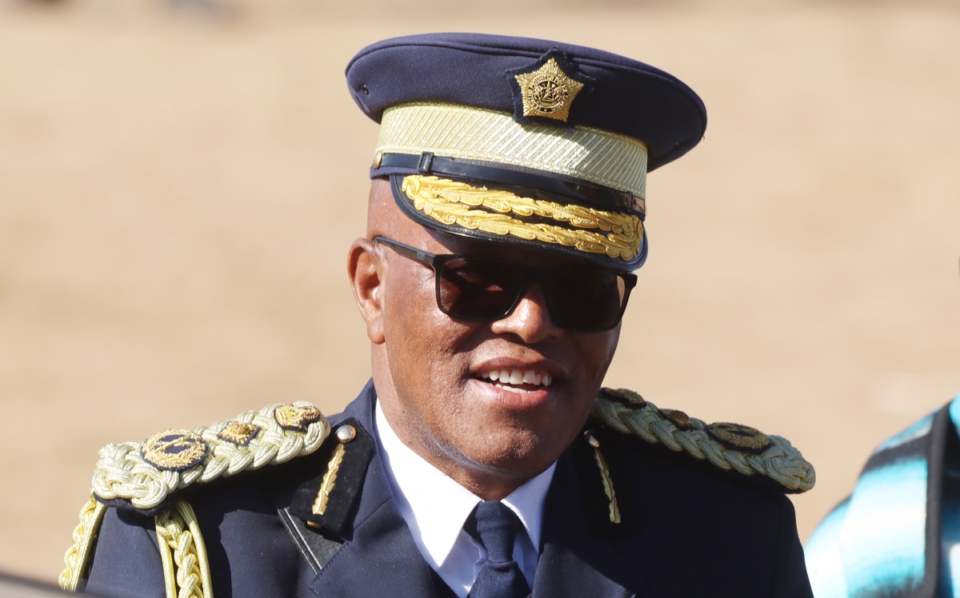
Yet the frank remarks recently made by Commissioner of Police Advocate Borotho Matsoso have exposed an uncomfortable truth, that political interference continues to undermine the professionalisation of the police service.
If the police chief’s claims are accurate, then the crisis facing the Lesotho Mounted Police Service (LMPS) is not simply about inadequate resources or operational weaknesses. It is also about politics intruding into an institution that should remain firmly neutral, professional, and guided by merit.
Adv Matsoso’s allegation that politicians submit lists of preferred candidates during recruitment processes raises serious questions about how the police force is built.
Recruitment into a national police service should never resemble a patronage system. The stakes are too high. Police officers carry the responsibility of protecting citizens, enforcing the law, and safeguarding national security. When recruitment is influenced by political connections rather than competence and integrity, the very foundation of law enforcement begins to crumble.
This is particularly troubling in a country already grappling with high levels of violent crime. Lesotho has been ranked among the most homicidal nations in the world, a statistic that reflects the severity of the security challenges facing the nation.
At a time when the country needs a highly professional, disciplined, and skilled police service, allegations of politically influenced recruitment suggest that the system may be producing the opposite.
The Inspector of Police’s report paints an equally worrying picture. According to the findings, the LMPS failed to meet its major policing targets, including reducing stock theft and curbing serious crimes.
Meanwhile, 51 police officers were criminally charged in 2025 for offences ranging from fraud to sexual crimes. These numbers should alarm every citizen.
A police service whose members are themselves facing criminal charges cannot effectively command public trust. Law enforcement agencies rely heavily on credibility. Once the public begins to view police officers as part of the problem rather than the solution, cooperation with investigations diminishes, and the fight against crime becomes significantly harder.
The challenges facing the LMPS, however, are not solely the result of political interference or misconduct within the ranks. Structural and financial limitations also play a major role. The report highlights serious resource shortages, including limited funding for basic operational requirements such as patrols, equipment, and infrastructure.
Adv Matsoso himself has acknowledged that the police service struggles to operate effectively under severe budget constraints. When a national security institution lacks the resources required to perform its duties, it inevitably weakens its capacity to respond to crime. Inadequate forensic facilities, for example, have contributed to a backlog of unsolved murder cases dating back more than a decade.
Such delays in justice not only frustrate victims’ families but also embolden criminals who begin to believe they can act with impunity.
Yet while funding challenges are real, they should not distract from deeper institutional issues. The Inspector of Police has also highlighted poor record-keeping, weak supervision, and inadequate training among officers.
Reports of officers improvising official registers and mishandling evidence point to troubling gaps in professionalism and discipline.
These problems reflect a broader institutional culture that requires urgent reform.
Training standards must be strengthened. Recruitment must be transparent and merit-based. Supervisory systems must ensure accountability at every level of the organisation. Without these reforms, additional funding alone will not solve the problem.
Equally important is the need to protect the independence of oversight institutions. The Office of the Inspector of Police plays a critical role in monitoring the performance and conduct of the LMPS. Calls to recognise it as an autonomous oversight body free from interference are both timely and necessary.
Strong oversight ensures that abuses of power are identified and addressed before they become systemic. It also reassures the public that law enforcement institutions are subject to accountability.
Beyond the institutional reforms, there is a deeper lesson for political leaders. The temptation to influence recruitment for political gain may appear harmless in the short term, particularly in a country where unemployment remains high. However, transforming the police service into a vehicle for job creation rather than professional law enforcement carries dangerous consequences. A politicised police force is rarely an effective one.
History has shown that once politics infiltrates security institutions, professionalism erodes, discipline weakens, and public trust collapses. Rebuilding that trust can take decades. Lesotho cannot afford such a future.
The country urgently needs a police service that is well-trained, adequately funded, professionally managed, and insulated from political interference. Citizens deserve officers who are selected based on merit, trained to the highest standards, and committed to serving the law rather than political interests.
Adv Matsoso’s remarks, uncomfortable as they may be for some, should therefore be viewed as an opportunity for security institutions reform. The problems facing the LMPS are not insurmountable, but they will require political will, institutional reform, and a renewed commitment to professionalism.
Ultimately, the safety of the nation depends on it.

What a failure of leadership…!!!