
Seithati Motsoeneng
THE World Meteorological Organization (WMO) has warned that as the impact of climate change intensify and the world becomes warmer, 2024 will go on record as one of the hottest years ever.
According to the WMO, this is based on the assessment of the scotching hot weather of 2023, during which every month broke the world record of warm temperatures.
In a recent media statement, WMO secretary general, Celest Saulo, said the shift from cooling La Nino to warming El Nino by the middle of 2023, was clearly reflected in the rise in temperatures during last year.
“Given that El Niño usually has the biggest impact on global temperatures after it peaks, 2024 could be even hotter,” Ms Saulo said.
As such, Ms Saulo has urged countries to make drastic reductions in greenhouse gas emissions and accelerate the transition to renewable energy sources.
Higher temperatures are worsening many types of disasters, including storms, heat waves, floods, and droughts, she said.
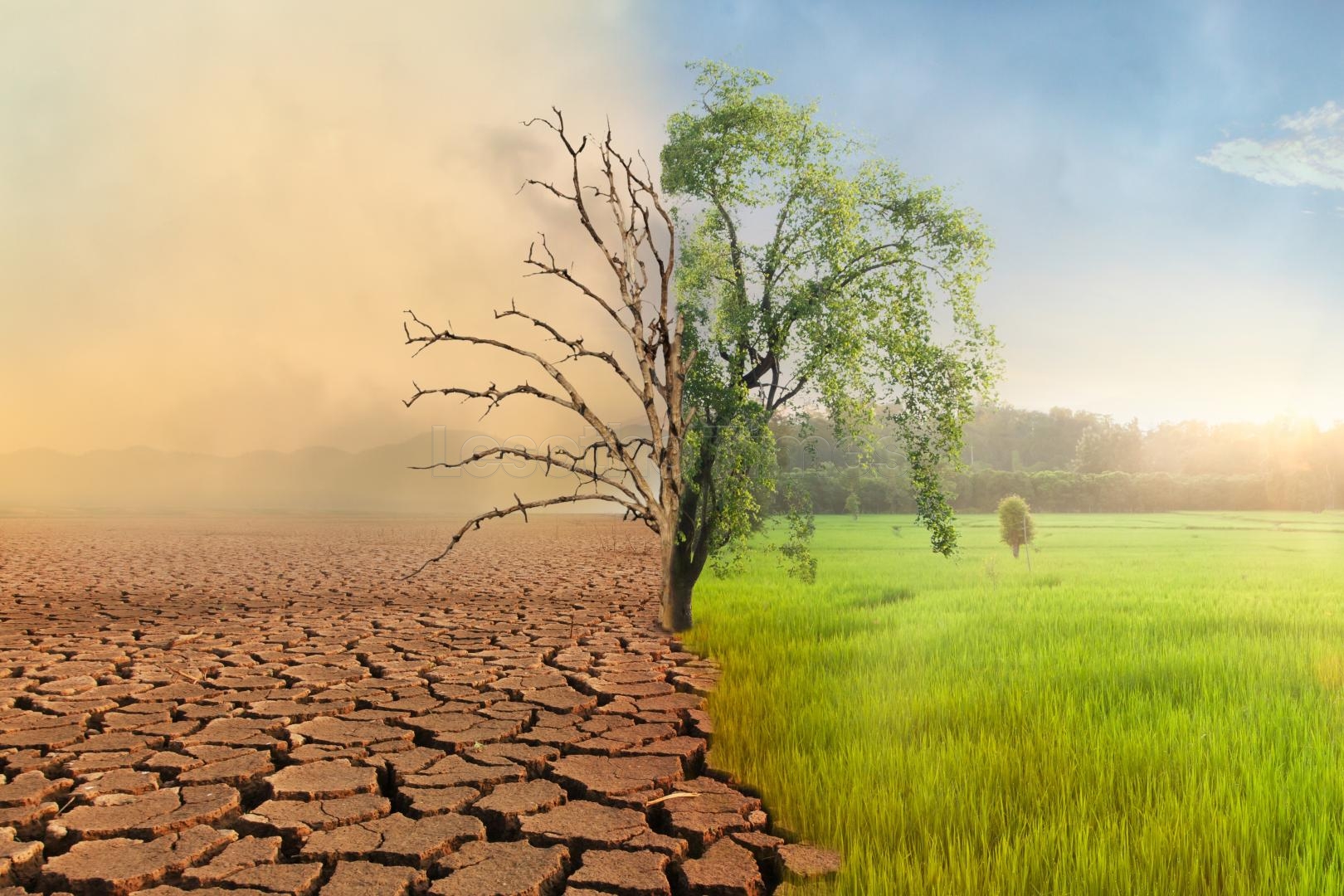
A warmer climate creates an atmosphere that can collect, retain, and unleash more water, changing weather patterns in such a way that wet areas become wetter and dry areas drier.
In Lesotho’s context, climate change in the country is expected to exacerbate existing environmental stresses such as drought, land degradation and loss of biodiversity and thus undermine sustainable development efforts.
Lesotho’s Nationally Determined Contribution strategy says the country is particularly vulnerable to the negative impact from climate variability and changes on water and food security, as well as adverse conditions to health, human settlements, and the energy sector.
The NDC’s key areas of focus include the sustainability of the environment, water resources, sustainable land management, agriculture, energy, and health sectors.
Lesotho is only 30,355 km2 in size and is characterized by rugged terrain with elevations ranging from 1,388m to 3,482 m.
Only 10% of the country’s land is considered arable.
The geography and location of Lesotho thus exposes the country to climatological patterns from both the Indian and Atlantic Oceans, resulting in significant variability in temperatures.
The majority of socio-economic activity for Lesotho is restricted to the lowlands, the foothills and the Senqu River Valley, leaving the mostly barren and rugged mountain region mainly for grazing.
Lesotho Meteorological Service (LMS) Country Chief Analyst on Climate Change, Theletsa Mpholle, acknowledged the WMO assessment telling the Lesotho Times this week that the Kingdom was no foreigner to global warming effects and as a result “we are also experiencing the impact of rising temperatures”.
“Temperatures have indeed risen. This has resulted in extreme climate patterns, especially in the previous year (2023) whereby winter was extremely cold followed by an extremely hot summer,” Mr Mpholle said.
Because of the extreme heat at both local and global level, Mr Mpholle said, the world was now faced with heavy floods “because we share the atmosphere regardless of our location”.
He added that testimony to the impact of climate change, was the fact that in 2023, Lesotho experienced snow in awkward times, way after the end of the cold winter season. That had adversely affected agriculture and biodiversity.
“The impact of climate change in Europe could have adverse impact on us as Lesotho. Because of the evident climate change, we experienced snow in strange times than we usually have, which has negatively affected agriculture and biodiversity,” Mr Mpholle said.
Meanwhile, Ms Saulo again noted that the climate crisis was worsening the inequality crisis, affecting all aspects of sustainable development and undermining efforts to tackle poverty, hunger, ill-health, displacement, and environmental degradation.
Intense rainfall, floods, rapidly intensifying tropical cyclones left a trail of destruction, death, and huge economic losses, she said.
