
…calls for urgent review of wages
Seithati Motšoeneng
THE Coalition of Lesotho Public Employees (COLEPE) has rejected the government’s proposed two percent salary increase for civil servants, saying it is grossly inadequate and dismissive of the severe financial pressures facing public employees.
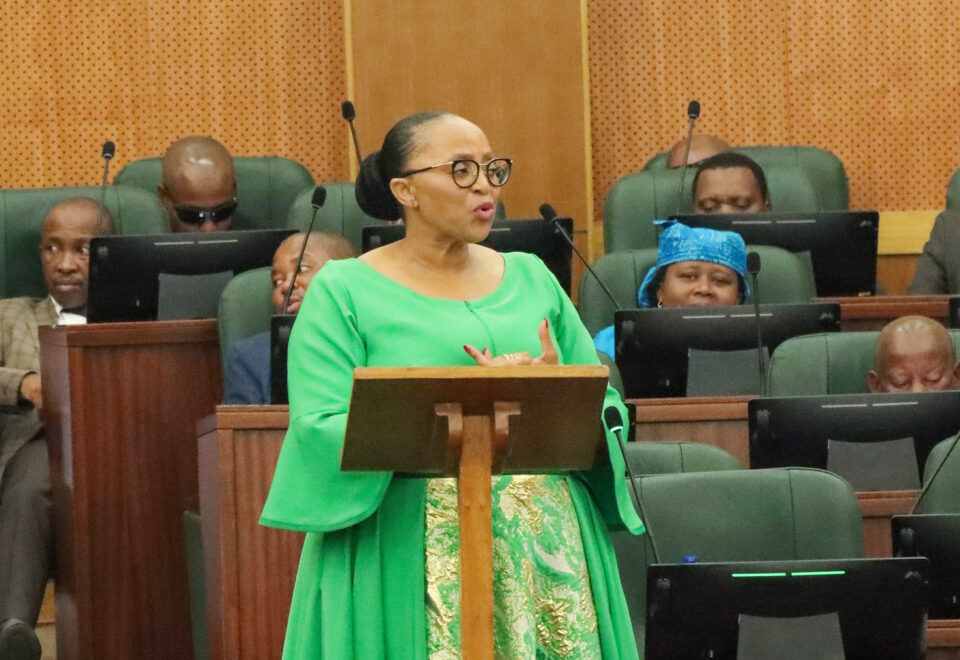
The criticism follows the tabling of the 2026/27 budget estimates in Parliament yesterday by the Minister of Finance and Development Planning, Retšelisitsoe Matlanyane, who announced a uniform two percent adjustment to salaries and wages across all public service grades.
“For the public service remuneration, it is proposed that the 2026/2027 salaries and wages be adjusted by two percent across the board,” the Minister said.
While the government argues that the increment is intended to offer some relief, civil servants’ representatives say it falls far short of addressing their urgent needs. COLEPE maintains that the modest increase does little to bridge the widening gap between wages and the rising cost of living.
The coalition further argues that the adjustment disproportionately benefits higher earners, leaving low-grade employees with salaries that remain insufficient to meet basic living standards.
COLEPE Secretary General, Motebang Leboela, said the public service salary structure is outdated, noting that the last comprehensive review was conducted more than a decade ago.
“What public workers truly require is a thorough and systematic salary review,” Mr Leboela said.
“That review is long overdue, and in its absence many civil servants continue to earn salaries that are simply inadequate to meet daily necessities.”
He added that the two percent increase does little to ease the plight of low-income earners whose wages barely cover essentials, pushing many into persistent financial distress.
According to Mr Leboela, government employees’ remuneration is about 38 percent below what is required for a sustainable livelihood.
“The two percent increase does nothing to change the reality that wages are lagging far behind inflation and the escalating cost of living,” he said. “This situation risks further undermining service delivery, as demoralised workers struggle to meet their basic needs.”
The criticism comes amid growing concern over stagnant wages and declining living standards for government workers. In a statement issued last week, COLEPE urged the government to prioritise a comprehensive review of public servants’ salary structures.
The coalition is calling for salary adjustments that would see Grade A salaries raised to Grade C, the removal of notch limits across all grades, and an increase in the employer’s pension contribution from five to 10 percent. It also wants the mountain allowance increased to M3000 and the introduction of a 100 percent hardship differential allowance for employees working in hard-to-reach areas.
In addition, COLEPE has called on the government to renovate dilapidated public infrastructure or provide alternative quality facilities including classrooms, police stations, health centres and government offices to improve service delivery.
The coalition claimed that, when the current government assumed power, Prime Minister Sam Matekane signed a commitment with COLEPE in February 2023 to promote social dialogue and address poor working conditions, lack of resources and low salaries. However, it says that nearly three years later, progress has been minimal.
Although the Public Service Bargaining Council has since been registered, COLEPE said negotiations and the establishment of its secretariat have yet to materialise.
The coalition also said many public servants continue to endure poor working conditions and limited resources, with some Grade A and B employees earning as little as M2691 — an amount it said was insufficient to cover basic needs such as transport, food and school fees.
COLEPE represents workers from several unions, including the Lesotho Nursing and Midwifery Organisation, Lesotho Public Employees Union, Lesotho Police Staff Association, Lesotho Association of Teachers, Lesotho School Principal Association and Qiloane Nursing Staff Union, spanning the health, education, security and general public service sectors.
