
…after MCC pays part of its tax debt
Mathatisi Sebusi
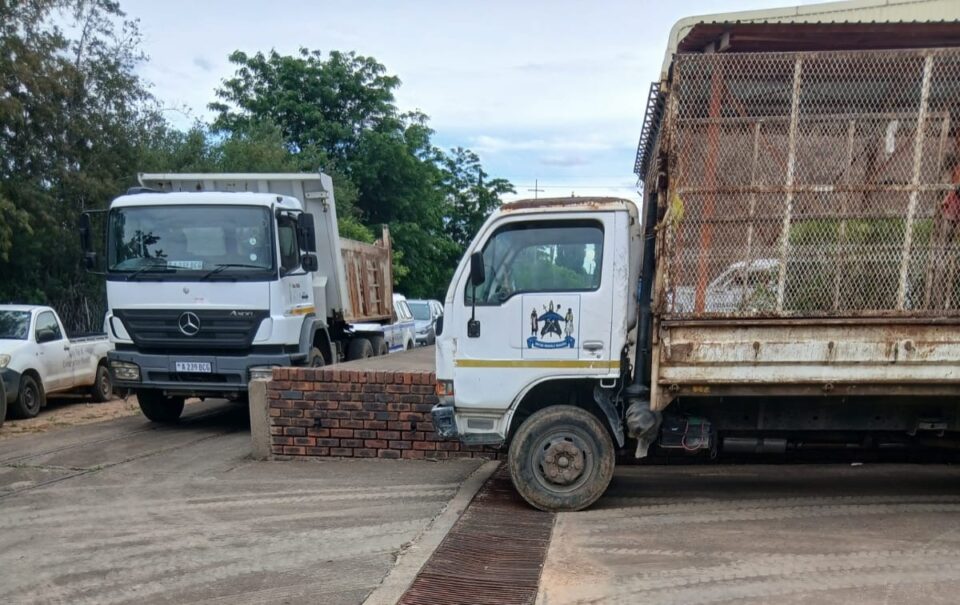
MASERU City Council (MCC) has paid M5 million toward its Pay As You Earn (PAYE) debt of M13 million, prompting the Revenue Services Lesotho (RSL) to release the Council’s vehicles that were seized in September.
This was confirmed by MCC spokesperson, Lintle Bless, speaking to the Lesotho Times yesterday.
She explained that following negotiations with RSL, the Council was required to make a down payment of M5 million and arrange to settle the remaining debt before the end of the current financial year.
“After negotiations, we were told to pay M5 million, which we paid to have our vehicles released (this week). We also made a payment plan so that the remaining M8 million will be paid in instalments,” Ms Bless said.
“Please note that here we are talking about the M13 million PAYE debt. We are yet to discuss issues surrounding another debt for failure to file.”
MCC owed RSL a total of M67 million, comprising the M13 million PAYE debt and M54 million in penalties for failure to file and pay income tax. This debt prompted RSL to seize 17 MCC vehicles in September.
Ms Bless said the Council is currently focused on settling the PAYE portion, after which discussions will begin regarding the penalties.
She added that MCC has now taken a significant step toward fiscal sustainability by settling part of its long-standing tax obligations through its own financial resources—marking a departure from previous reliance on central government assistance.
“The Council has executed the initial upfront instalment, with the remaining balance scheduled for finalisation within the current fiscal cycle.”
She said the settlement lays a foundation for restoring the Council’s fiscal stability and public trust. She further revealed that MCC is developing a long-term strategy for rates and taxes to ensure equitable and manageable revenue collection.
“It is acknowledged that fulfilling this settlement will require prudent financial management and will place considerable demands on the Council’s operational resources for the 2026 financial period. The Council is committed to navigating this obligation while prioritising essential services.”
She also acknowledged the existence of additional long-term liabilities, some outstanding for more than six years, and emphasised that resolving the entire debt portfolio remains MCC’s key priority.
She urged residents and commercial entities to meet their obligations by paying rates, taxes, and service charges on time, saying this cooperation is vital for the city’s financial integrity.
To strengthen governance and fiscal oversight, she noted, the Council is implementing a structured capacity-building programme, including the recruitment of specialised personnel in Finance, Audit, and Procurement to enhance systems, accountability, and resource management.
“The Council acknowledges that the path to full financial recovery will require sustained effort and discipline. It reaffirms its commitment to transparent governance, stringent accountability, and diligent oversight. This independently secured settlement is the first decisive step toward achieving a resilient and self-sufficient financial future for the city,” Ms Bless said.
Maseru Town Clerk, ’Moea Makhakhe, had in October this year told the Lesotho Times that the debt dates back to 2015 when MCC began defaulting on its revenue payments.
“In May 2015, MCC started defaulting in remitting PAYE to RSL until May 2025. In May 2021, the government intervened and bailed MCC out with M37 million, and the debt was reduced to M15 million. However, in 2021, the debt started accumulating again,” Mr Makhakhe said.
He had explained that failure to remit revenue results in penalties for non-payment and failure to file, which contributed to the escalating debt. The final account balance received in May this year reflected a total debt of M67 million.
