
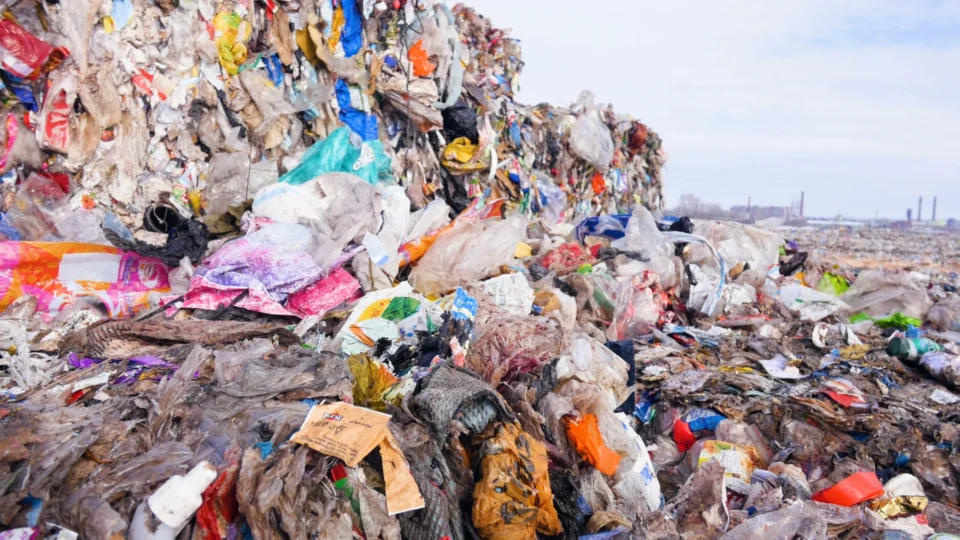
THE ongoing saga of the Tšosane dumpsite is a stark reminder of what happens when government bureaucracy stifles the health and well-being of ordinary citizens. More than three years after the courts ordered the Maseru City Council (MCC) to relocate the hazardous dumpsite to a properly engineered landfill at Tšoeneng, the people of Ha Tšosane are still living amidst festering waste, perennial smoke, and the constant fear of disease outbreak.
The latest developments — allegations of contempt of court by MCC and a fire that blanketed the community in toxic smoke — paint a grim picture of negligence, miscommunication, and administrative indifference.
In 2022, the community of Ha Tšosane took the courageous step of taking their grievances to court. They argued, correctly, that the dumpsite in their neighbourhood posed serious environmental and health risks.
The Constitutional Court, in March 2023, ruled in their favour, directing MCC to relocate the waste dump to Tšoeneng and tasking the government with securing funds to construct a safe, sanitary, and properly engineered landfill.
Beyond mere relocation, the court emphasized that residents affected by the dumpsite should be compensated for health and property damage, and that the area should be rehabilitated after waste removal.
The court’s order was clear, and the community’s concerns were justified yet, today, more than two years later, the situation remains the same.
Instead of implementing the relocation as mandated, MCC has introduced a new plan: mining, compacting, and capping the waste at the existing Tšosane site.
They promise to convert the area into a recreational park once rehabilitation is complete by April 2027. While this approach may reduce surface-level hazards over time, it is a far cry from the complete removal ordered by the court. It leaves residents in a prolonged state of exposure to environmental and health risks.
At the heart of this impasse is the question of accountability. Advocates for Ha Tšosane residents, including Adv Fusi Sehapi, are understandably frustrated. Agreements signed between community representatives and MCC stipulated immediate cessation of dumping at the site, removal of waste, clean-up, and restoration of the area. Yet, MCC’s unilateral decision to rehabilitate the dumpsite without prior consultation signals either a breakdown in communication or a disregard for legal obligations. Either way, it undermines public trust and the very principles of governance.
The human cost of this delay cannot be overstated. Residents have already suffered from the fire that broke out recently, sending clouds of smoke across the neighbourhood and prompting emergency responses from the Lesotho Defence Force and firefighters.
The deployment of mobile clinics, as announced by Mayor Motlalepula Sepipi, is a necessary but reactive measure. Screening residents for health issues after the damage has occurred does little to prevent future harm. Moreover, reliance on post-incident compensation cannot substitute proactive environmental management. The court’s initial directive to construct a safe landfill and remove the waste was precisely intended to prevent such crises.
The government and MCC must remember that their mandate is not merely administrative; it is a social contract. Citizens should not have to litigate repeatedly or endure hazardous living conditions for justice to be served.
Legal victories are hollow if not enforced promptly. By failing to adhere to court orders, MCC risks returning to court not just for procedural non-compliance, but for the broader moral failure of putting bureaucratic convenience above human health.
This standoff also exposes deeper systemic issues: the lack of timely funding for critical infrastructure projects, poor intergovernmental coordination, and inadequate community engagement.
The promise to construct the Tšoeneng landfill remains on paper while residents continue to bear the brunt of pollution. The timeline for rehabilitation — spanning nearly two years — raises questions about MCC’s capacity and commitment to operationalising solutions that courts, legal representatives, and residents have painstakingly negotiated.
The path forward must be clear and uncompromising. MCC should immediately halt any further dumping at Tšosane, as the community agreement demands, and actively engage with residents to define a timeline for waste removal to Tšoeneng. Construction of the Tšoeneng landfill should be prioritised and funded without further delay.
Meanwhile, interim measures, including mitigating odours, controlling pests, and managing fire risks, must be rigorously implemented. Compensation mechanisms should be transparent, swift, and fair, recognising the prolonged suffering of Ha Tšosane residents.
Ultimately, this is a test of governance, law, and ethical responsibility. The people of Ha Tšosane deserve more than promises, studies, and plans — they deserve action. The Tšosane dumpsite is not just a pile of waste; it is a symbol of what happens when government agencies fail to prioritise human dignity and sound environmental stewardship. Courts can issue orders, but it is the commitment of leaders and public institutions that ensures justice is realized.
As this situation unfolds, the eyes of the public and the judiciary alike will remain fixed on Maseru City Council and the government.
Will they finally honour the court’s directive and safeguard the health and rights of Ha Tšosane residents? Or will they continue to delay, negotiate, and repackage partial solutions at the expense of the community? The answer will define not only the fate of this neighbourhood but also the credibility of governance in Lesotho.
The Ha Tšosane community deserves closure, not continued uncertainty. The government and MCC must act decisively, responsibly, and transparently to resolve this crisis before the next fire, the next health emergency, or the next court ruling forces them into action once more.

Throw hat into ring